01
What is Yarm Town Hall?
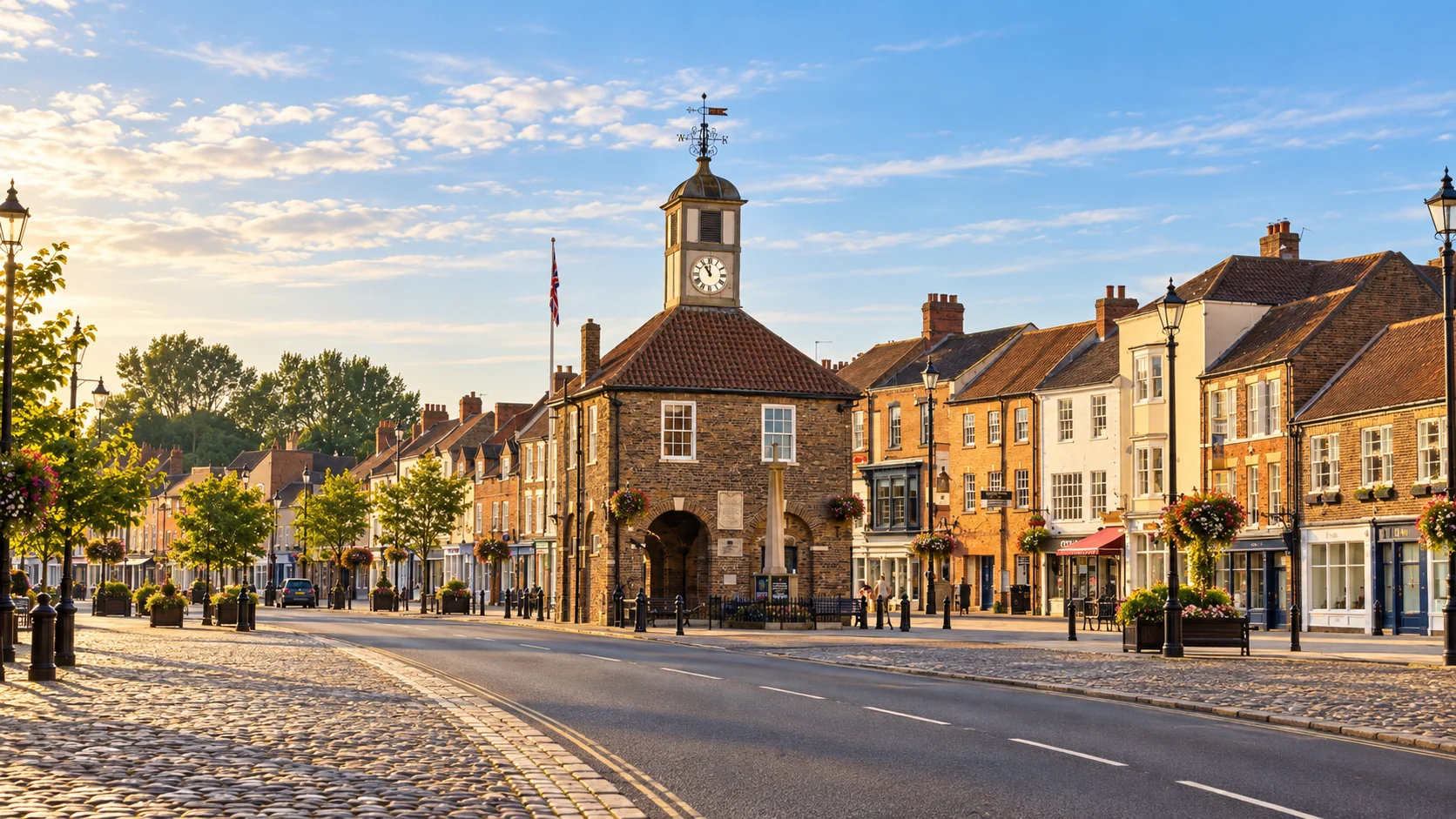
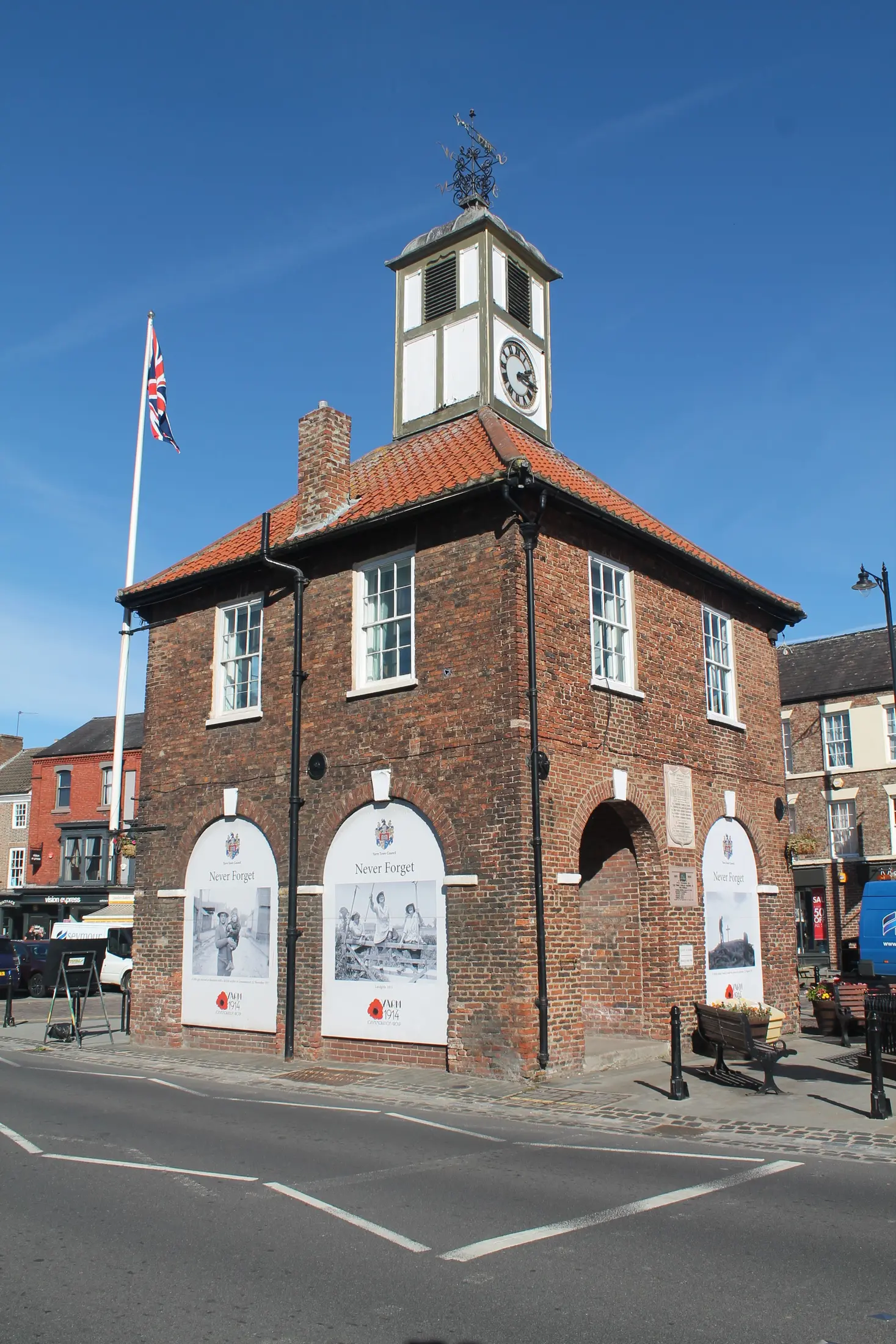
Yarm Town Hall was built in 1710 by Thomas Belasyse, 3rd Viscount Fauconberg, then lord of the manor. It is one of the town's oldest and most recognisable civic buildings and a natural landmark for orientation on a visit.
The building's ground floor once contained an open market cross and a weigh house, used to keep local trading honest, both long since gone.
02
Can visitors go inside Yarm Town Hall?
It remains a working civic building on the High Street rather than a staffed visitor attraction, so plan to see it as part of a walk through town rather than a timed indoor visit.
03
What can I see nearby?
It sits within a few hundred metres of both Yarm Bridge and views of Yarm Viaduct, and is part of the wider story told in the History of Yarm guide.
Useful answers
Frequently asked questions
When was Yarm Town Hall built?
In 1710, by Thomas Belasyse, 3rd Viscount Fauconberg, then lord of the manor.
Is Yarm Town Hall in the town centre?
Yes. It stands on Yarm High Street and is a convenient orientation point.
What was on the ground floor originally?
An open market cross and a weigh house, used to verify trading weights, both long since removed.
Sources and review status
Research checked . Final human approval is still required.
- Wikipedia: Yarm — Town Hall construction date and Viscount Fauconberg attribution
- Stockton-on-Tees Borough Council — Local civic and visitor information
Sample record. This entry is unverified demonstration data used while the verified Yarm dataset is imported. Nothing here should be treated as fact. Last checked 2026-09-22.